7. Holistic Health: Integrating All Aspects

Integrating Diet, Exercise, Mental Wellbeing, Social Connections, and Purpose

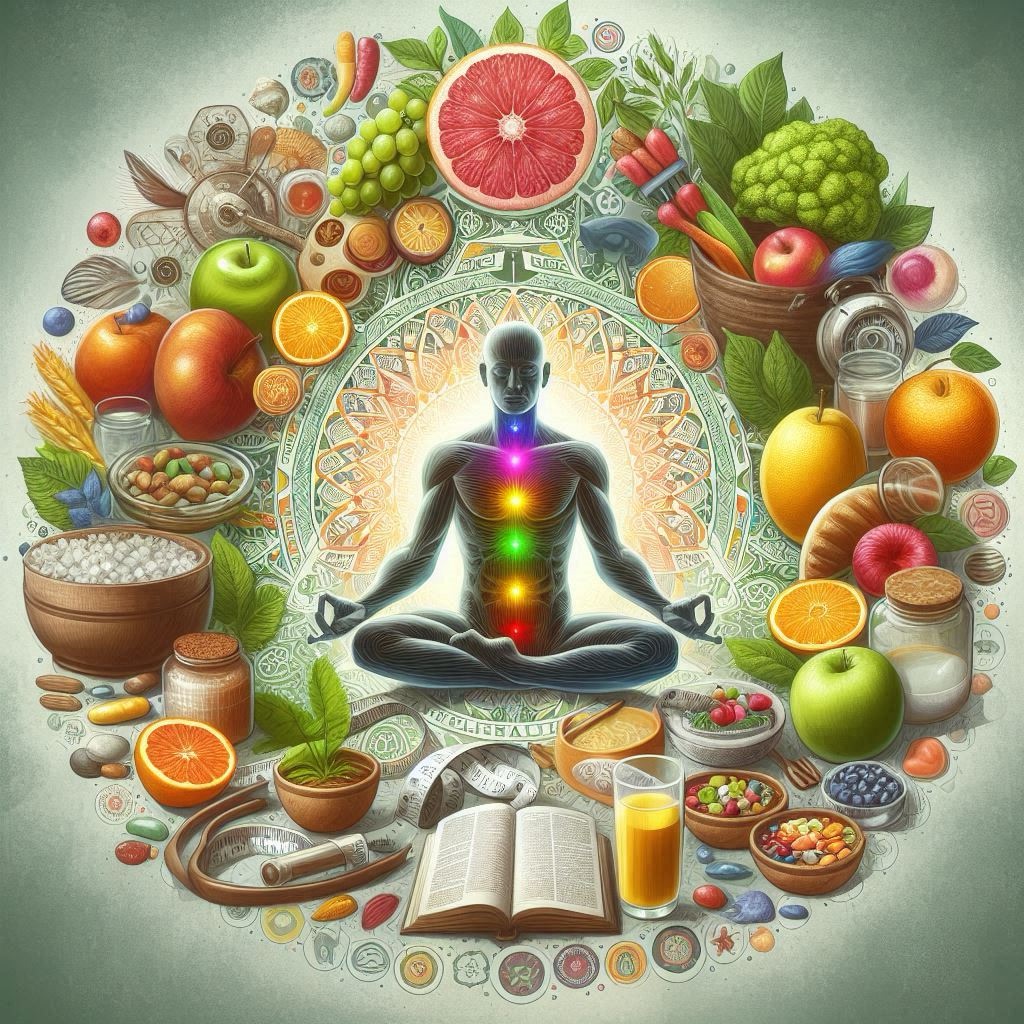
Holistic health involves integrating various aspects of wellbeing—diet, exercise, mental health, social connections, and purpose. Each element is interconnected and contributes to overall health.

A balanced diet fuels your body, exercise keeps it strong, mental wellbeing ensures a healthy mind, social connections provide support, and purpose gives direction. By focusing on all these areas, you can achieve a harmonious and healthy life. Regularly assess and adjust your lifestyle to ensure you’re addressing all aspects of your health. This holistic approach can lead to improved physical health, mental clarity, emotional stability, and overall happiness.

Do’s:

• Do maintain a balanced diet rich in nutrients.

• Do incorporate regular exercise into your routine.

• Do prioritize mental health through mindfulness and relaxation techniques.

• Do nurture social connections and engage in community activities.

• Do pursue meaningful goals and activities that align with your purpose.

Don’ts:

• Don’t neglect any aspect of your health; balance is key.

• Don’t ignore signs of stress or burnout; take time to rest and recharge.

• Don’t isolate yourself; seek support from friends and family.
6. Healthy Aging: Tips for a Vibrant Life

Tips for Healthy Aging

Aging is a natural part of life, and maintaining health as we age is crucial for a vibrant and fulfilling life. Here are some tips to help you age healthily:

Balanced Diet: Focus on nutrient-rich foods that support bone health, muscle strength, and overall vitality. Include plenty of fruits, vegetables, whole grains, lean proteins, and healthy fats in your diet.

Regular Exercise: Stay active with a mix of aerobic exercises, strength training, and balance exercises. Activities like walking, swimming, yoga, and tai chi can help maintain physical health and prevent falls.

Mental Engagement: Keep your mind sharp by engaging in activities that challenge your brain. Reading, puzzles, learning new skills, and social interactions can help maintain cognitive function.

Preventive Care: Regular health check-ups and screenings are essential for early detection and management of health issues. Follow your doctor’s advice and stay up-to-date with vaccinations.

Social Connections: Maintain strong social ties with family, friends, and community. Social interactions can reduce stress, improve mood, and provide emotional support.

Do’s:

• Do eat a balanced diet rich in nutrients.

• Do stay physically active with regular exercise.

• Do engage in mentally stimulating activities.

• Do schedule regular health check-ups.

• Do nurture social connections.

Don’ts:

• Don’t neglect your diet; avoid processed and junk foods.

• Don’t lead a sedentary lifestyle; find ways to stay active.

• Don’t isolate yourself; stay connected with loved ones.

• Don’t ignore health issues; seek medical advice when needed.

5. Purpose in Life: Finding Your Why

Discovering Your Purpose for a Fulfilling Life

Having a sense of purpose can significantly impact your health and wellbeing. Purpose gives direction, motivation, and a reason to get up each day. It can be found in various aspects of life, such as career, hobbies, relationships, or personal goals.

Reflect on what matters most to you and set meaningful goals. Pursuing activities that align with your values and passions can lead to a more fulfilling and satisfying life. Whether it’s volunteering, pursuing a hobby, or advancing in your career, finding your purpose can provide a sense of fulfillment and happiness. Remember, your purpose can evolve over time, so stay open to new experiences and opportunities.

Do’s:

• Do engage in activities that align with your values and passions.

• Do set realistic and achievable goals.

• Do seek opportunities for personal growth and learning.

Don’ts:

• Don’t compare your journey to others; focus on your own path.

• Don’t ignore your interests and passions.

• Don’t let setbacks discourage you from pursuing your goals.

4. Social Connect: Building Strong Relationships

The Power of Social Connections for Health

Humans are social beings, and strong social connections are vital for our health. Social interactions can reduce stress, improve mood, and even boost immune function. Whether it’s family, friends, or community groups, having a support network is crucial.

Engage in regular social activities, whether it’s a coffee catch-up, joining a club, or volunteering. These interactions can provide emotional support, increase feelings of belonging, and contribute to overall happiness. Social connections can also provide a sense of purpose and motivation, encouraging you to engage in healthy behaviors and activities.

Do’s:

• Do greet others with a warm “Namaste” or handshake.

• Do participate in community events and festivals.

• Do spend quality time with family and friends regularly.

Don’ts:

• Don’t isolate yourself; reach out to others when feeling lonely.

• Don’t engage in negative gossip or conflict.

• Don’t ignore the importance of social connections for mental health.

3. Mental Wellbeing: The Foundation of a Healthy Mind

The Role of Sleep in Mental Wellbeing

Mental wellbeing is just as important as physical health. Sleep plays a critical role in maintaining mental health. Quality sleep helps improve mood, cognitive function, and overall mental resilience. Lack of sleep can lead to irritability, poor concentration, and increased stress levels.

Aim for 7-9 hours of sleep per night. Establish a regular sleep routine by going to bed and waking up at the same time each day. Create a restful environment by keeping your bedroom cool, dark, and quiet. Avoid screens before bedtime, as the blue light emitted can interfere with your sleep cycle. Additionally, practices like mindfulness and meditation can help manage stress and enhance mental clarity. These practices can be incorporated into your daily routine to promote relaxation and improve sleep quality.

Do’s:

• Do maintain a consistent sleep schedule, even on weekends.

• Do practice mindfulness or meditation to reduce stress.

• Do create a calming bedtime routine, such as reading or listening to soothing music.

Don’ts:

• Don’t consume caffeine or heavy meals close to bedtime.

• Don’t use electronic devices before sleeping.

• Don’t ignore signs of sleep disorders; seek professional help if needed.

2. Exercise: Moving Towards a Healthier You

The Importance of a Balanced Exercise Routine

Exercise is a cornerstone of a healthy lifestyle. Incorporating a mix of cardio/aerobic exercises, weight training, and balance exercises can provide comprehensive benefits.

Cardio exercises like running, cycling, and swimming improve heart health, increase lung capacity, and boost overall endurance. These activities help burn calories and can aid in weight management. Weight training helps build muscle strength and bone density, which is crucial as we age. It can include activities like lifting weights, resistance band exercises, and bodyweight exercises such as push-ups and squats.

Balance exercises, such as yoga and tai chi, enhance stability and coordination, reducing the risk of falls, especially in older adults. These exercises also improve flexibility and can help alleviate stress.

Aim for at least 150 minutes of moderate aerobic activity or 75 minutes of vigorous activity each week, combined with muscle-strengthening activities on two or more days a week. This balanced approach ensures overall fitness and well-being.

Do’s:

• Do practice yoga regularly to improve flexibility and mental clarity.

• Do include a mix of cardio and strength training exercises in your routine.

• Do take walks in parks or open spaces to enjoy fresh air and nature.

Don’ts:

• Don’t overexert yourself; listen to your body and rest when needed.

• Don’t neglect warm-up and cool-down exercises to prevent injuries.

• Don’t rely solely on gym workouts; incorporate outdoor activities for variety.

1. Diet and Food: The Building Blocks of Health

Understanding Macro and Micronutrients for Optimal Health

A balanced diet is crucial for maintaining good health and well-being.

Macronutrients—carbohydrates, proteins, and fats—provide the energy our bodies need to function. Carbohydrates are the body’s primary energy source, found in foods like grains, fruits, and vegetables. Proteins, essential for growth and repair, are abundant in meat, dairy, legumes, and nuts. Fats support cell function, protect organs, and are found in oils, butter, and fatty fish.

Micronutrients, including vitamins and minerals, are vital for various bodily functions. Vitamins like A, C, and D support immune health, vision, and bone health, respectively. Minerals such as calcium, iron, and potassium are crucial for bone strength, oxygen transport, and muscle function. These nutrients are found in a variety of foods, including leafy greens, fruits, nuts, and dairy products.

Fiber is another essential component of a healthy diet. It aids digestion, helps maintain a healthy weight, and can lower the risk of heart disease. Foods high in fiber include whole grains, fruits, vegetables, and legumes.

Water is equally important, as it supports all bodily functions, keeps you hydrated, and helps regulate body temperature. Aim to drink at least 8 glasses of water a day.

Do’s:

  • Do include a variety of fruits and vegetables in your diet to ensure a good mix of vitamins and minerals.
  • Do drink plenty of water throughout the day to stay hydrated.
  • Do consume whole grains like brown rice and whole wheat chapati for fiber.

Don’ts:

  • Don’t rely heavily on processed foods, which can be high in unhealthy fats and sugars.
  • Don’t skip meals, as it can lead to overeating later.
  • Don’t consume excessive amounts of fried foods, which can increase cholesterol levels.
Design a site like this with WordPress.com
Get started